Make Sultana Grape Again!

Updated: Jul 27
When I found out that the English language has few words for dried grapes: raisins, currants and Sultanas, I felt almost proud. This exotic, manifestly oriental word “Sultana” had made its way into the classical vocabulary!
Out of pure etymological curiosity, I started chasing the name of these seedless golden drops across the maps and stories and collecting the pieces of information, as tiny as sultanas themself. So it evolved into my favorite story to tell during the Turkish wine tastings.
And I am about to share it with you, starting with this grape’s best kept secret:
Sultana can make really fine wine!
Known for its mild, sweet and seedless berries, Sultana has been marketed as dried and table grapes literally for ages.

“Since the days of the Crusaders, England got her raisins from Asian Minor.” - a quite fair observation made by one newspaper in 1923. And this were the Sultana grapes, they were talking about!
Sultana grapes are believed to have arisen as a seedless mutation in Asia Minor, and hypothetically may have come from the Soltanieh region of Northern Iran. Over time, Sultana grapes spread throughout the Western Asia (modern-day Türkiye), the Mediterranean and reached the New World: USA, Australia, India.
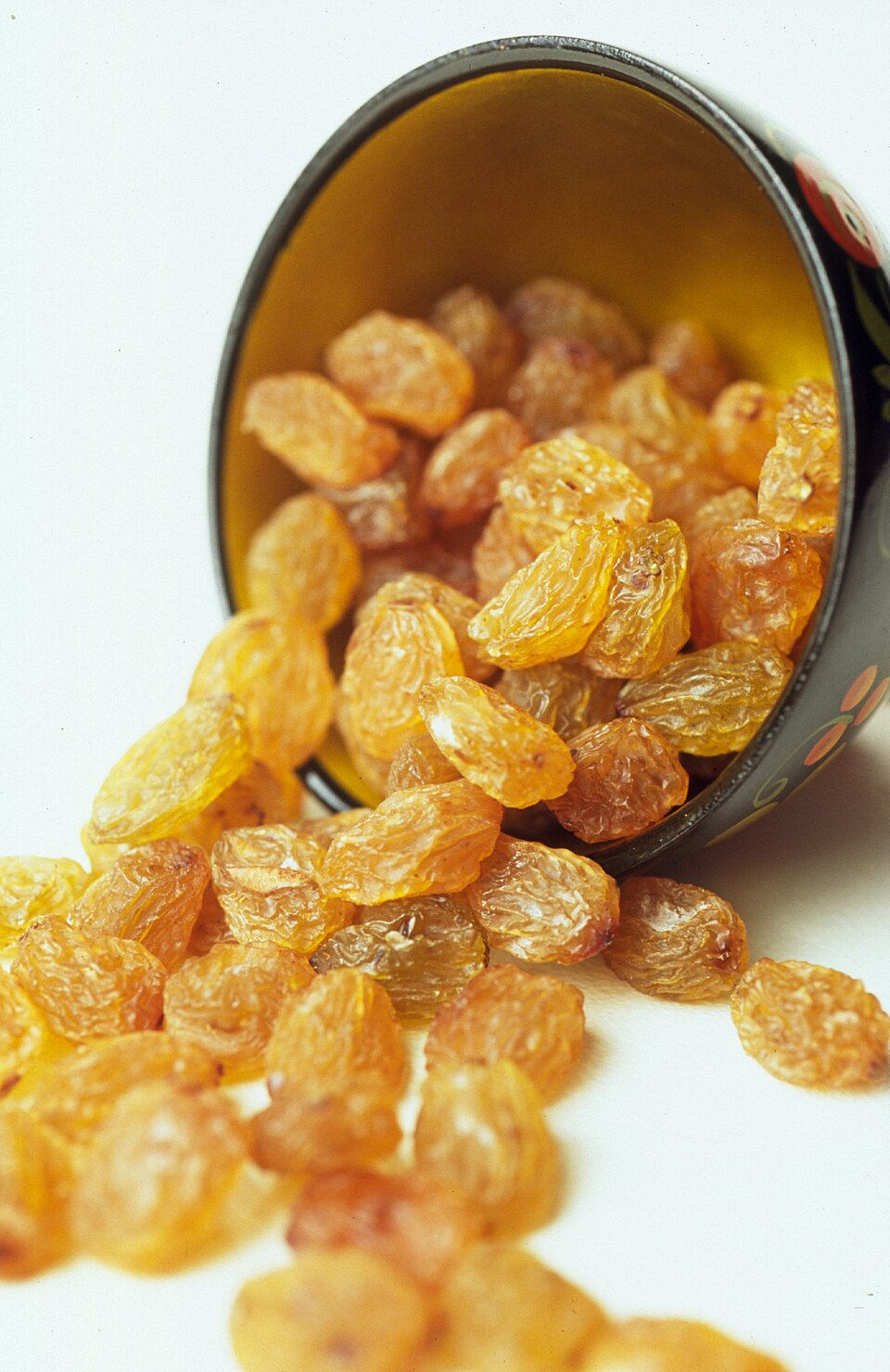
One more surprise: we already had met with Sultanas long time ago!
Kishmish - an affordable and harmless treat for kids in my post-soviet childhood - appears to be just another name for the same seedless grape.
It is also known as the Grape of Smyrna (Izmir), Sultaniye, Sultanina. In England Sultana became “Lady de Coverly” - due to its successful cultivation in the glasshouses even before the change of global climate made it possible for English vineyards to thrive.

Sultana was brought to California in 1861 by Hungarian “father of California viticulture” Agoston Haraszthy. This New World debut left Sultana’s mark directly on the map: a town was named after it!
Sultana in California, near Central Valley is famous for raisins production and remains the only reminder about this grape’s past.
Because in 1872 an English born viticulturist William Thompson sourced three cuttings of Sultana from New York. After being planted in his garden in California, only one cutting survived. But Thompson continued cultivation of the seedless grape vine and discovered that it was an ideal wine, table, and raisin grape.
That only vine of Sultana with its new name Thompson Seedless dramatically changed table and raisin grapes farming in the United States.
In 2000 virtually all of California raisin production (about 97%) and roughly one-third of California's total grape area was covered by Sultana, making it the single most widely planted variety.
Today Sultana dominates global raisin production and remains the world’s most widely planted table grape.
So why isn’t this widely available grape making its mark in the wine world?
Well, there was an attempt, but it ended up with a scandal. In 2003 an Australian producer was caught selling Sultana wine labeled as Chardonnay (with 4 times price difference!). The fraud sparked a major industry scandal and led to lasting reputation damage for both the grape and Australian wine.
Since then, Sultana has been largely avoided in winemaking there, used mostly as a table and raisin grape. However, this crisis became a turning point and forced Australia to rethink and tighten regulations, leading to impressively improved quality today.
Seems like Sultana deserved at least a kind of reward for its "contribution" to the high quality of Australian wines today, isn't it?
This joke, just like every joke, definitely has a grain (or raisin?) of truth: I do believe that we owe to Sultana its second chance as a wine grape.

Back to the roots - in Türkiye - Sultaniye (as it's called locally) grapes are still widely used today. Approximately 40 - 45% of the world’s seedless raisins come from here, and they are Sultanas indeed.
Fresh Sultaniye grapes can be found on every table in Türkiye. Also Sultaniye is one of the grape varieties used in the production of Turkish Rakı - popular distilled drink option preferred by locals in Türkiye.
The leafs of Sultaniye are also widely used as they are one of the most suitable and favored for stuffing! And they do taste good, believe me!

This versatility of Sultaniye actually had helped it to survive and even thrive during the Ottoman era, when, let's say, wine production wasn't the priority and had a lot of obstacles.
More recently (during the century of Turkish Republic) the local wineries have been making use of Sultaniye grapes, but mostly aiming the production of mass market table wines.
This grape has almost always been cultivated with one goal: maximum yield. And Sultaniye can be highly productive grape when grown with the same approach as the table grapes.
Meaning, the plant growth regulator is applied by default, and often quite excessively. With heavy irrigation grapes grow big and dilute the flavor, but still gain the high level of sugar.
This is exactly what is needed for the high volume generic wine! Little wonder previous vinification attempts were unimpressive: for a long time dry Sultaniye wines were simple and quite heavy, with a high alcohol level and lacking the flavors to obtain the proper balance.

Semi sweet and sweet wines from Sultaniye used to be more concentrated in flavor (and sugar, of course). But those wines desperately needed the higher level of acidity to balance the sugars.
As a result, Sultaniye more often have been used as a part of the blend for simple table wines, contributing mainly body and alcohol. This is how it gained the reputation of grape that can't produce truly fine wines. Shall I say, it has been vinificated mainly because of being abundant and widely available rather than with the aim to create something special from this grape and show its potential.
However, we are lucky to witness some exciting changes, happening right now, during the last couple of years.
The Aegean region (Izmir, Manisa, Denizli) - already dominant in raisin production - is now home to boutique wineries. And a new wave of openminded winemakers is rethinking the usage of local grapes, including Sultaniye.
You can't make a great wine from the bad grapes, right? As focus on wine quality requires the change of approach first of all to the growing, the new Turkish vineyards for all varieties are now designed and planted accordingly, with the aim to grow high quality grapes for high quality wines.

And if we are talking about the old vineyards, or rather old vines, their destiny can vary dramatically.
While some of them are being
pulled off without mercy, the others are lucky enough to be noticed by the wine producers and show their potential.

Just compare these two images: the old vines in Bayramiç, being pulled off as witnessed by top crew of local wine professionals.
At the same time, the old vines in Çal were lucky enough to be discovered by local wine producer Kuzubağ and you can actually now taste the wine form these vines!
The world trend of rediscovering indigenous varieties finally made Türkiye using the advantage it always had had: these lands are home to at least 1439 indigenous varieties (already identified and officially registered at the Turkish Vine and Grape growing institute in Tekirdağ) and research continues!
Nobody knew exactly how to work with the most of them, so different experiments started and tests of approaches had been applied. I believe this constant search for solutions and the best results with the grapes that world doesn't know about (yet) gained to winemakers in Türkiye very important skill: being flexible and openminded by default. This is actually amazing, how wine professionals in Türkiye manage to balance between the R&D experimental products and their promotion and the necessity to produce wines in more conservative old school styles according to the local market demand.
While there is a lot of alcohol related restrictions, at the moment Türkiye doesn't have an official appellations system for wines. The most positive thing about it: there is no limits for research and as a result you can find literally any kind of vines - old, indigenous, phylloxera-free - at very different and sometimes unexpected locations. Therefore voyages of exploration in a search of local grapes or/and old vines became a part of working routine for the new wave of winemakers in Türkiye.
This is how dry-farmed old vines of Sultaniye, left to grow naturally without heavy irrigation or excessive application of plant growth regulators, were discovered by a winemaking couple - Fulya Akıncı Hernandez and Jose Hernandez.

Fulya and Jose are enologists who not just founded their own winery Heraki, but for years they have been consulting different wineries in different regions. This Turkish-Spanish couple has already become a legend in Türkiye. Their knowledge and experience contributed to the lifting up the standards for the quality oriented Turkish wine to the point where it can represent country on the international level and fairly compete. And in most cases - win!
Fulya and Jose are the professıonals behind many bottles of finest Turkish wines. Their visionary approach does make difference, and for Sultaniye it seems to be life changing!
As mentioned above, grape growing dominates in Aegean region and grapes are widely available here. But to find something unique, you have to look for the tiny slots at offbeat locations. For many years these vineyards have been owned by the farmer families. Migration of the new generation from the villages led to the lack of human recourses and therefore minimized intervention to vineyards. Simply because there is nobody available anymore, vineyards works were reduced to the basic ones. Ironically, in this particular case that neglect may have actually granted the long waited second chance to Sultana - to show its real self.

When Fulya and Jose found such vineyards of Sultaniye - it was almost a shocking discovery. Grapes from dry-farmed old vines Sultaniye looked like a different kind of grape: much smaller, even the berries shape is different, with more complex and concentrated flavors.
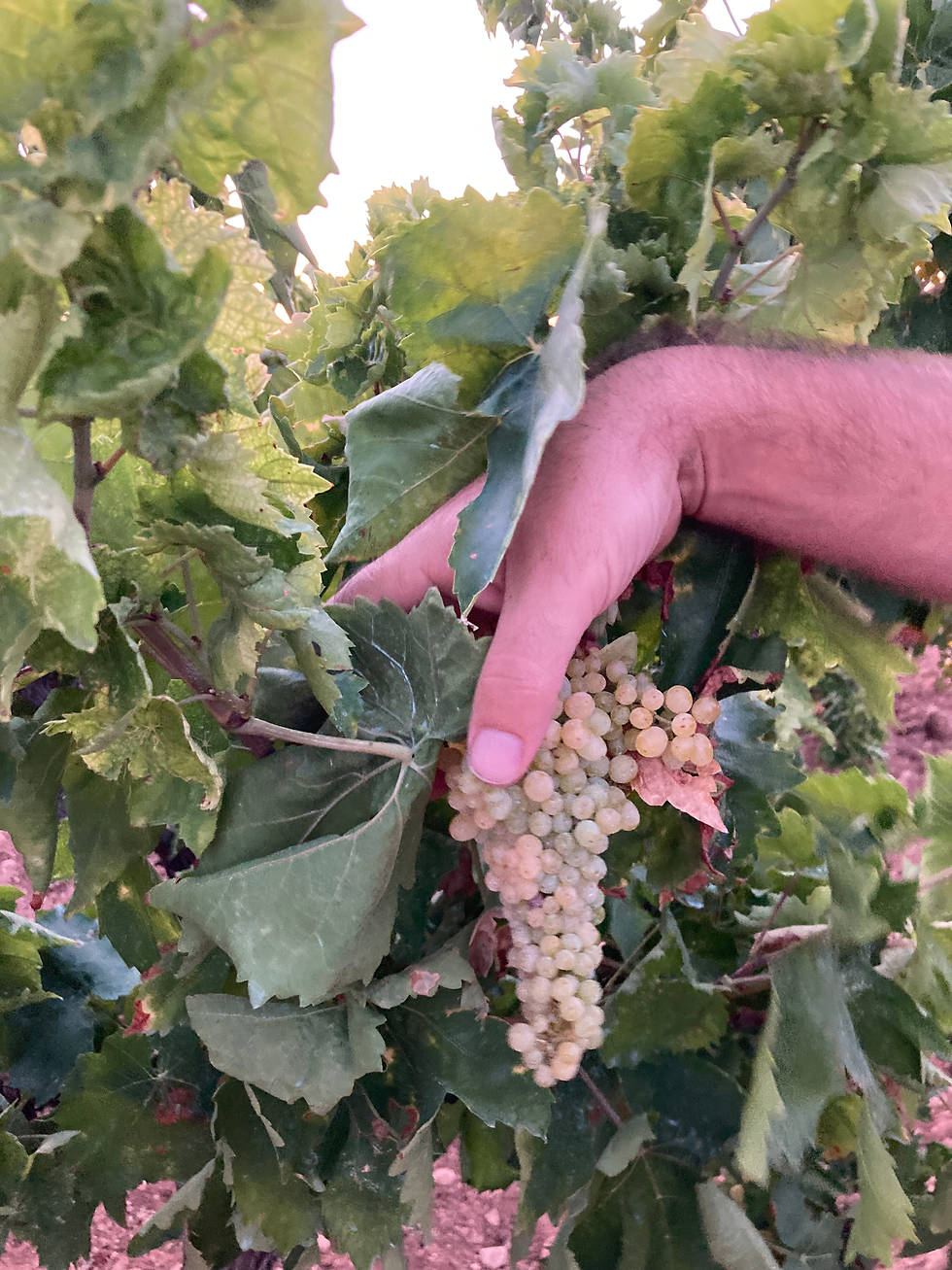

What if we also harvest it properly, with a fine dry wine in mind? Would it work? Let's try! Should it be oaked? Let's make two, with and without oak! Sounds crazy, right? But this is exactly what they did!

As a result, when you taste these Sultaniye wines, you find it hard to believe that it is made from the same grape as dried Sultanas. These new wave and new approach wines inspired other wineries to follow this path too and refine the approach for their Sultana wines. Today it is not only Heraki, but a couple of boutique wineries started to produce the Sultaniye wines at truly different level of quality and finesse.
Turkish market is still flooded with simple wines from this grape and this situation unlikely is going to change radically any soon. However, the establishment of quality tiers for Sultaniye, the creation of high quality wine with this grape is very important step. As I sincerely believe, that this grape deserves being classified and approached as a fine wine grape. And you would share this opinion if you only get a chance to taste these wines!
Which Sultaniye wine to taste?
This is the taste of the fresh idea! New wave dry Sultana wines are delicate and light bodied, with elegant freshness and layers of clear aromas and flavors. Lily-of-the-valley, cherry blossom, fresh cut of lemongrass, orange zest and a drop of grape-fruit juice, balm mint (melissa), green almond, gooseberry, white currant, yellow raspberry, yellow cherry, white nectarine, yellow fig, ripe peach pulp - expect to meet these in the glass of the new generation unoaked Sultaniye.

Akuarela Unoaked Sultaniye by Heraki Winery
This wine is a pioneer product among the new wave Sultaniye wines.
This is the proper example of how fine Sultaniye wine can perform. Light body, layered complex flavors, freshness from natural acidity - all balance each other in impressive harmony.

Old Vines Sultaniye by Kuzubağ winery
Kuzubağ is a newcomer boutique producer with grower background and impressive achievements already with a couple of recent vintages. Kuzubağ works with local and international grapes and aim for quality yet still keep their price rate affordable.
It is a huge luck for Sultaniye that this winery started to work with this grape as well.
Meaning, these old vines are in a really good hands! Sultaniye by Kuzubağ winery is a whiff of fresh air to the market and really well made wine: still quite light bodied (much lighter than the old school mass market wines made from Sultaniye), fresh and elegant. The way it should be.

Dry Old Vines Sultaniye by Paşaeli Winery

Paşaeli Winery is one more great producer who does a lot for discovery and development of almost forgotten, indigenous grapes. Paşaeli masters technics with keeping local wines on the lees and/or macerating with skins, therefore creating interesting sur lie white wines and/or its amber-orange versions.
This dry Sultaniye by Paşaeli comes from the free standing bush vines in Çal, Denizli, inner Aegean viticultural area. These vineyards are elevated at 900-1000 m above the sea level and therefore can benefit from a larger day-night temperature swings preserving grapes acidity and freshness.

This wine is a part of "Atadan asmalar"("Ancestral vines") product line dedicated to the old vines of varieties like Sıdalan, Osmanca, Semillon. This wine is usually kept on the lees for about 3 months months and matured in bottle before release for at least 3 months as well. No oak aging is applied here.
This Sultaniye is a great example of how sur lie method (if well managed) can contribute to the wine by adding flavor complexity and texture.
Paşaeli's Sultaniye has more body and its flavor profile includes some savory notes which also balance the fruity side.
Lemon and lime zest, juicy peach, apricot, loquat, white currant, baked/stewed peach (that's the one from the peach pie), apricot clafoutis, brioche, cream. Light notes of Aegean herbs dried under the hot Turkish sun: thyme, sage, lavender, chamomile.
As in most cases, aging in oak adds body, creaminess and smoky, spicy notes to the flavor palette. But there is a much bigger surprise in the bottles of matured Sultaniye wine: turns out that after aging in oak Sultana wine continues its development in the bottle. Almost like the noble grape varieties such as Riesling, it develops impressive tertiary aromas close to petrol.
Oaked Sultaniye Delta V by Heraki Winery

This barrel matured Sultaniye by Heraki Winery (9 months in oak) - is the only available oaked Sultaniye at the moment. But I expect some more interesting samples to appear very soon. I would suggest to get at least two bottles: enjoy the first one right away and leave the second in your cellar for a couple of years to witness the development in the bottle.
This wine is more bodied, but still very elegant. Body is formed not by heavy alcohol, by the complex layered flavors, creamy texture and balanced by fine acidity.
Sweet wine from Sultaniye - tastes just like a Turkish Delight. The real one.
Sultaniye Morso di Sole by Paşaeli Winery

Sun dried grapes from the same single vineyard in Buldan, Denizli were fermented slowly and kept on the lees for about 3 months.
As a result this wine got good intensity and complexity of flavors. Sweet flavors like dried peaches, apricots, figs, quince jam are balanced by the savory notes of tobacco, roasted almonds and hazelnuts.
Small bottles (0.5L) of 2021 vintage are available recently. It still develops in bottle and goes very well your Turkish coffee at the end of the meal! Not sure if they are going to continue producing this style of Sultaniye, so it is strongly recommended to taste while still available.
One more new wave producer who works with Sultaniye is Sobran. This winery evolved as the next step for the family with agricultural background and experience of grape growing. However, before they were working with table grapes mainly. Together with the decision to enter the winemaking, they also had to learn a lot, started to grow the new varieties in a different way, using the plots at higher altitude and overall they forced themselfs to evolve a lot. Sobran Winery received professional consulting support from Fulya and Jose and winery was influenced by their vision in general.

Sobran Winery is an inspiring example how you can switch from volume to quality oriented production. They are still on their way, but I can notice how every vintage of this winery changes, updates and brings them to the next level. In recent years Sobran produced different versions of Sultaniye, blended or on its own. Their dry wine is still quite bodied version of Sultaniye. Every vintage it becomes more elegant, lighter with a greater balance.

Knowing the enthusiasm and adventurism of this winery owners, how they follow their dreams and create the future with their own hands, I would expect some more interesting versions of Sultaniye from Sobran in the next vintages. And I am really looking forward to taste their next Sultaniye and see how it is evolved this time.
One of the reason why I am writing this now is a hope to inspire this winery to keep an eye on Sultaniye. At the very beginning of their journey they got an advice from the German friend Herman-Jozef Kreuzberg - to produce a sweet wine from Sultaniye "Sultan-i Amber". Their focus at that time was mainly on dry reds, but since Sultaniye vines were already there, and their friend insisted, they gave it a try.
Unfortunately, as local Turkish market is not used to consume sweet wines as German, they stoped making this style, but I still keep a few small bottles for a very special occasion.
This wine for me was the very first sign that Sultaniye grape is not that simple as we used to perceive it.

"Sultan-i Amber" was produced with sun semi dried grapes. I wish it had the higher level of acidity, but even despite that, the wine was perfectly balanced: the savory flavors created a unique liquid harmony and balanced the sweetness.
Just like with the finest sweet wines of the world, every sip of this Sultaniye had a very long finish and when it is finally over, your palate is crystal clear again! No sugary aftertaste, but the waves of flavors which were coming one after another: lily and jasmine flowers, dried linden flowers, sun dried apricots, quince marmalade, candied mandarins and candied ginger pieces, salted caramel, cinnamon, vanilla beans, allspice, black cardamom, honeycomb, humidor full of Cuban cigars, strongly brewed black tea, roasted almonds, hazelnuts and even VA right at a very pleasant and even intriguing proportion. And I can continue describing that wine, as I still remember it's flavor...


I do hope these examples of Sultaniye performance mentioned in this article will inspire wineries to look closer at this grape and wine lovers - to give it a try and discover the new wave Sultaniye wines. This grape deserves second chance - let's give it to Sultaniye!
So this is the story I love to tell during Turkish wine tastings and I try to include Sultaniye to my tasting flights as often as possible. And now, finally, I would like to toast to it:
Let’s make Sultana grape again! To be more precise, let it be the wine grape and make a fine Sultana wines!


Comments